![Phrazle | Play Online Free [No Download]](https://phrazle.co.uk/wp-content/uploads/2025/11/phrazle-title.webp "Phrazle | Play Online Free [No Download]")
Build the Perfect Daily Word Puzzle Routine (Morning to Night)
Phrazle 0
What if you could keep your brain sharp, reduce stress, and have fun — all in under 30 minutes a day?
Building a daily word puzzle routine is one of the simplest habits you can adopt, and it fits into your
day more naturally than you’d expect. Here’s how to structure the perfect puzzle routine from morning
to night.

Why a Routine Beats Random Play
Most word game players approach puzzles casually — they play Wordle when they remember, maybe try
Quordle once in a while. That’s fine, but you’re leaving significant benefits on the table.
Research consistently shows that routine cognitive exercise produces better results than
sporadic play. Regular daily engagement builds pattern recognition over time, strengthens neural
pathways through repetition, and creates a positive feedback loop: the more you play, the better
you get, and the more enjoyable it becomes.
A structured routine also ensures variety. Different word games exercise different cognitive skills,
and rotating between them prevents the plateau effect where your brain adapts to a single puzzle
type and stops being challenged.
The Perfect Morning Block (10-15 Minutes)
Morning is when your brain is freshest. Use this window for your most demanding puzzles.
Start With Wordle (2-3 Minutes)
Wordle is the perfect morning warm-up. It’s quick,
satisfying, and gets your language centres firing without requiring intense concentration. Use a
consistent starting word (like SLATE or CRANE) and you’ll have your answer in three to four guesses
most days.
Why morning: Your working memory is strongest in the first hour after waking. Wordle’s
deductive reasoning benefits from this peak performance window.
Follow With Quordle (5-8 Minutes)

Quordle raises the stakes by giving you four words
to solve simultaneously. After the gentle warm-up of Wordle, your brain is primed for the multitasking
challenge. The nine allowed guesses force efficient thinking — every word needs to pull double duty
across all four boards.
Why morning: Quordle demands divided attention and strategic planning, both of which
perform best in the morning when cognitive resources are fully available.
Optional: Octordle (10-15 Minutes)
If you have a larger morning window, Octordle provides
the ultimate morning brain workout. Eight simultaneous words with thirteen guesses. It’s intense,
demanding, and incredibly satisfying when you nail all eight. I wouldn’t recommend Octordle every morning
— save it for days when you have extra time and want a serious mental challenge.
The Lunch Break Block (5-10 Minutes)
The middle of the day is perfect for puzzles that are engaging but not exhausting. These games provide a
genuine mental break from work without leaving you drained.
Phrazle (5-10 Minutes)

Phrazle exercises a completely different skill set
than Wordle-style games. Instead of deducing letters, you’re piecing together an entire phrase from
scattered clues. The purple tile mechanic — indicating a letter exists in the phrase but in a different
word — adds a layer of complexity that keeps your brain active without being overwhelming.
Why lunchtime: Phrazle’s phrase-guessing mechanic requires creative, lateral thinking.
After a morning of focused work, your brain naturally shifts toward more associative, creative processing
— exactly what Phrazle rewards.
Alternative: Weaver Game (5-8 Minutes)
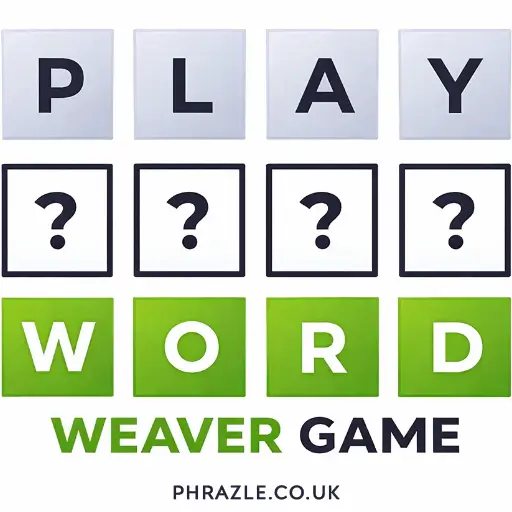
If you prefer logic puzzles, Weaver Game is a
perfect lunch option. Transform one word into another by changing one letter at a time, forming a chain
of valid words. It’s methodical, calming, and requires step-by-step planning — a nice counterpoint to
whatever chaos your morning involved.
The Evening Wind-Down Block (5-10 Minutes)
Evening puzzles should be relaxing rather than stressful. These games are gentler on cognitive load while
still keeping your brain engaged.
Word Search (5-10 Minutes)

Word Search is meditative in the best way. Scanning
a grid for hidden words is absorbing enough to prevent mindless phone scrolling but gentle enough that
it won’t keep your brain wired before sleep. It’s pattern recognition without pressure.
Why evening: Word Search doesn’t require intense strategic thinking. It engages your visual
processing system in a calm, steady way — exactly what your brain needs to transition from active work
to relaxation.
Alternative: Word Wipe (5-10 Minutes)

Word Wipe combines word-finding with a satisfying
Tetris-like mechanic. Find words, watch them disappear, and see new letters cascade into place. It’s
genuinely addictive in a low-stress way — the perfect evening game when you want something engaging
without being challenging.
The Complete Routine at a Glance
| Time | Game | Duration | Skill Focus |
|---|---|---|---|
| Morning | Wordle | 2-3 min | Deduction, warm-up |
| Morning | Quordle | 5-8 min | Multitasking, strategy |
| Morning (optional) | Octordle | 10-15 min | System thinking, endurance |
| Lunch | Phrazle | 5-10 min | Lateral thinking, creativity |
| Lunch (alt) | Weaver | 5-8 min | Sequential logic, planning |
| Evening | Word Search | 5-10 min | Visual scanning, relaxation |
| Evening (alt) | Word Wipe | 5-10 min | Pattern matching, de-stress |
Total daily commitment: 15-30 minutes depending on which optional games you include.
Tips for Making It Stick
Building a puzzle routine is only useful if it becomes a habit. Here’s what’s worked for me:
- Anchor it to existing habits: Play Wordle right after making your morning coffee.
Play Word Search right after dinner. Linking puzzles to established routines makes them automatic. - Don’t force it: If you’re not in the mood for Octordle, skip it. The routine should
feel enjoyable, not like homework. Games you dread don’t produce cognitive benefits. - Track your streaks: Most games track consecutive days played. That streak number
becomes surprisingly motivating — you won’t want to break it. - Mix in new games occasionally: Every few weeks, swap one game in your routine for
something new. Try Wordle Peaks,
Syllacrostic, or
Antiwordle to keep things fresh. - Share your results: Posting Wordle and Quordle results with friends or colleagues
adds social accountability and makes the routine more fun.
Adjusting the Routine for Your Schedule
Don’t have 30 minutes? Here’s how to scale:
- Minimal routine (5 minutes): Wordle + one other game. Just two puzzles a day still
provides meaningful cognitive exercise. - Standard routine (15 minutes): Wordle + Quordle + Phrazle. Three different puzzle
types covering deduction, multitasking, and creative thinking. - Full routine (30 minutes): The complete morning/lunch/evening schedule above. Maximum
variety and cognitive benefit.
The Bottom Line
A daily word puzzle routine isn’t about becoming a Wordle champion — it’s about building a sustainable,
enjoyable habit that keeps your brain active, provides structure to your day, and offers genuine moments
of satisfaction. Whether you commit five minutes or thirty, the consistency matters more than the volume.
Start small. Play Wordle tomorrow morning with your coffee. Add Quordle when you’re ready. Before you
know it, you’ll have a routine that’s the highlight of your day — and your brain will thank you for it.
Build your routine now: Wordle |
Quordle |
Phrazle |
Word Search